
A Day at Beamish: Trams, Time Travel and Strawberry Bonbons
A proper North East day out
There are some places in the North East that feel almost stitched into childhood, and Beamish is definitely one of them.
For so many of us, it was the school trip. The coach journey, the packed lunch, the old-fashioned sweet shop, the tram rides, the slightly strange thrill of seeing how people used to live, work, shop and get around. But the lovely thing about Beamish is that it doesn’t lose any of that magic when you visit as an adult. If anything, it becomes even more interesting.
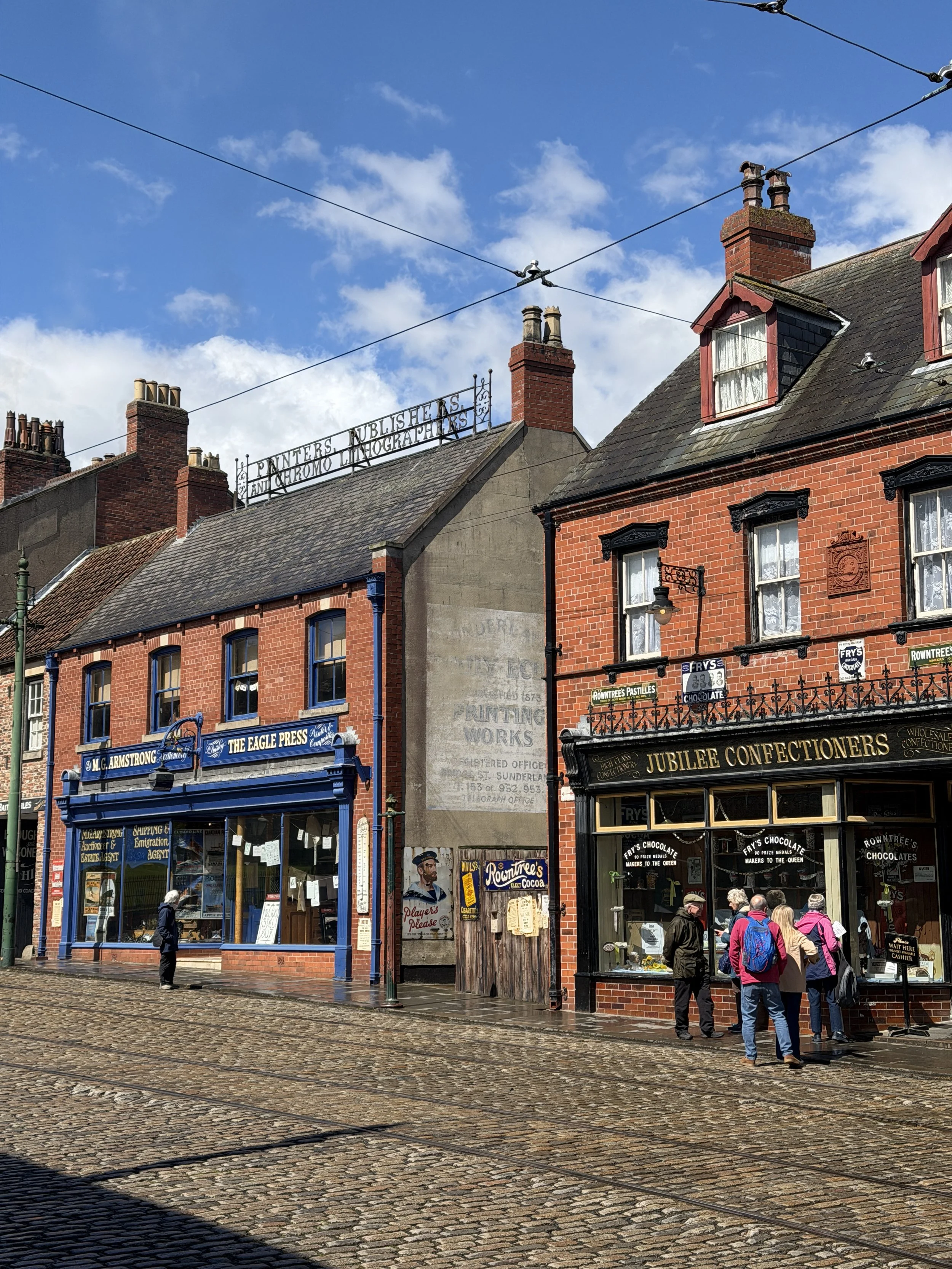
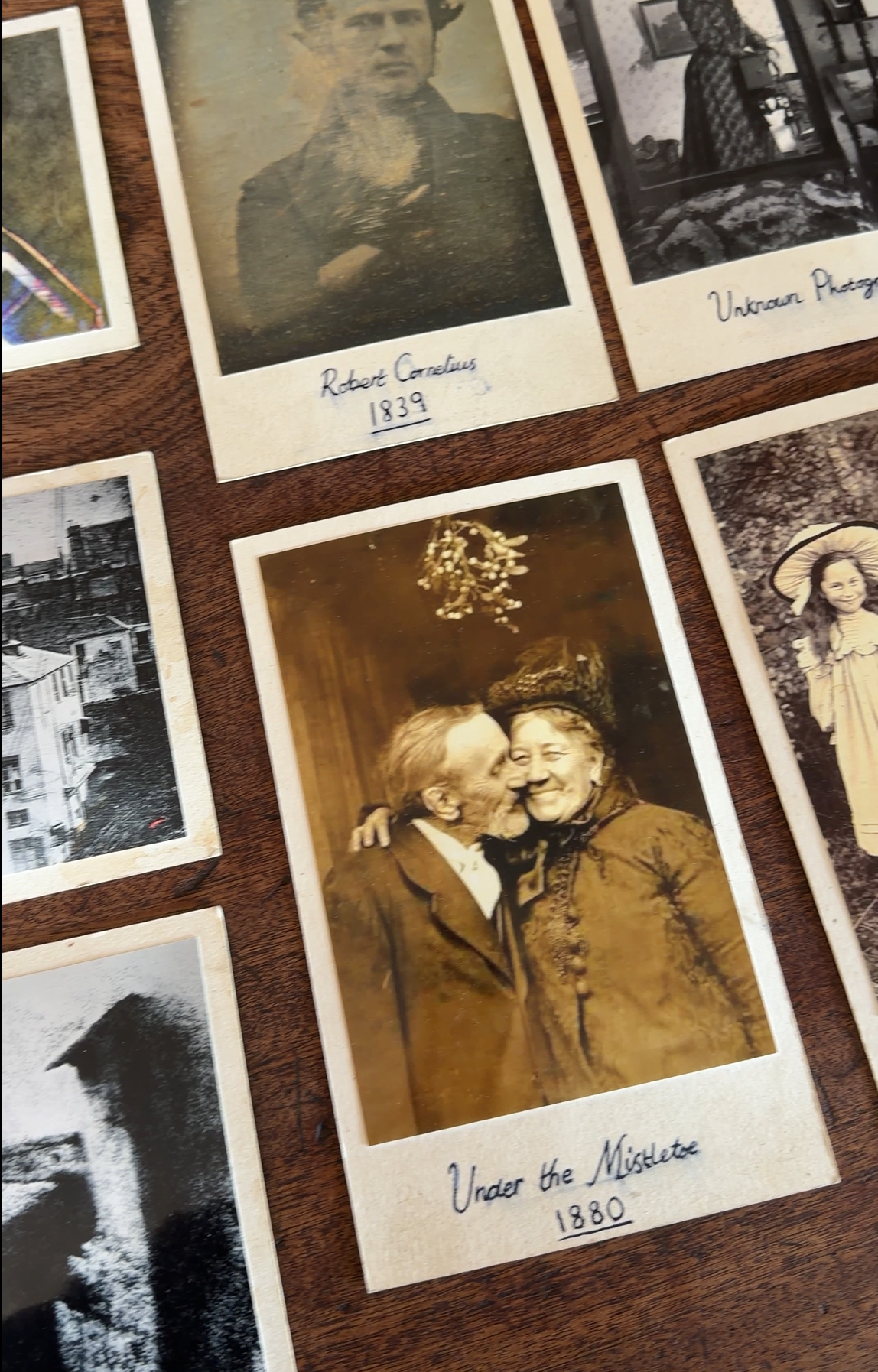
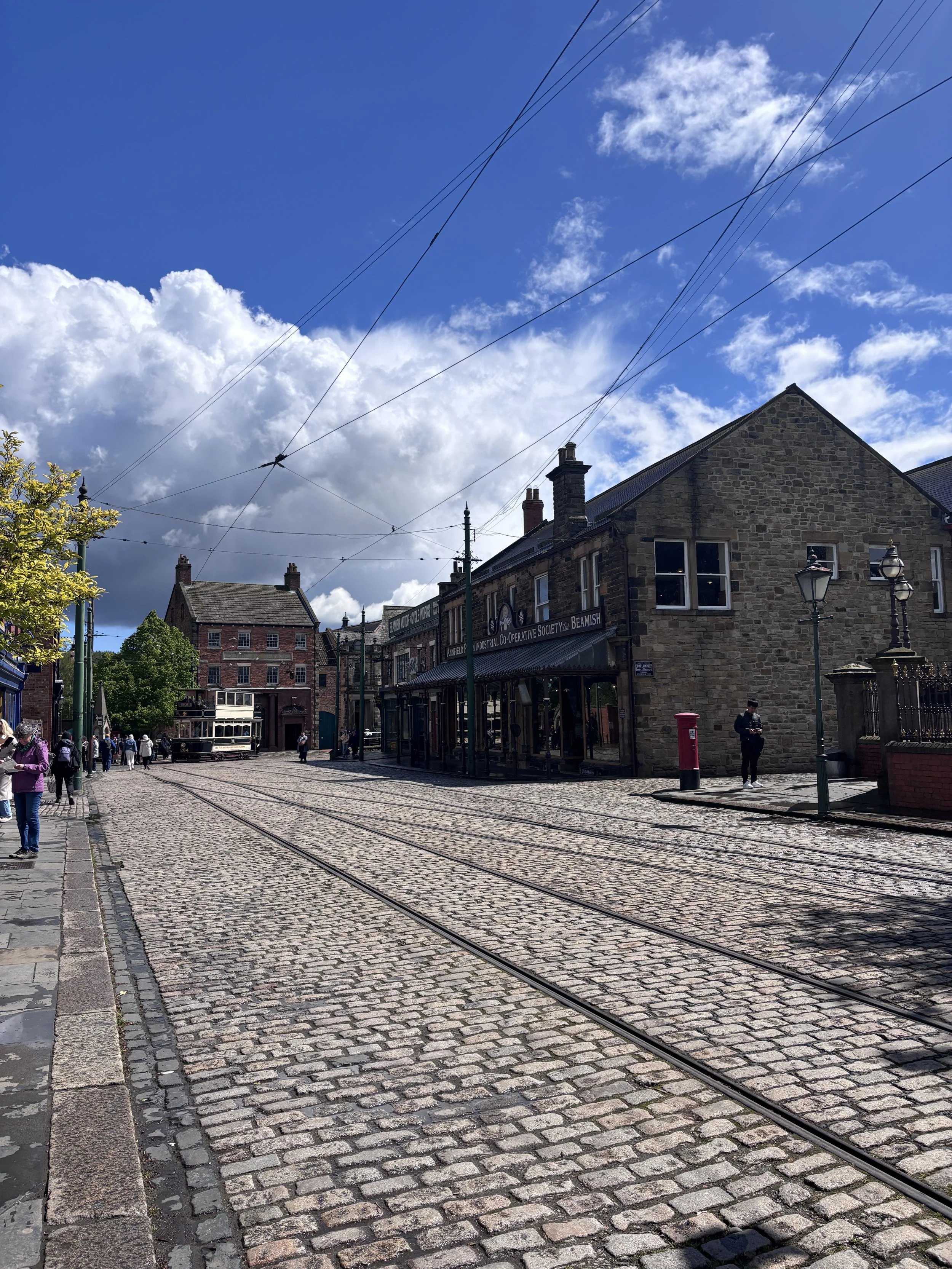
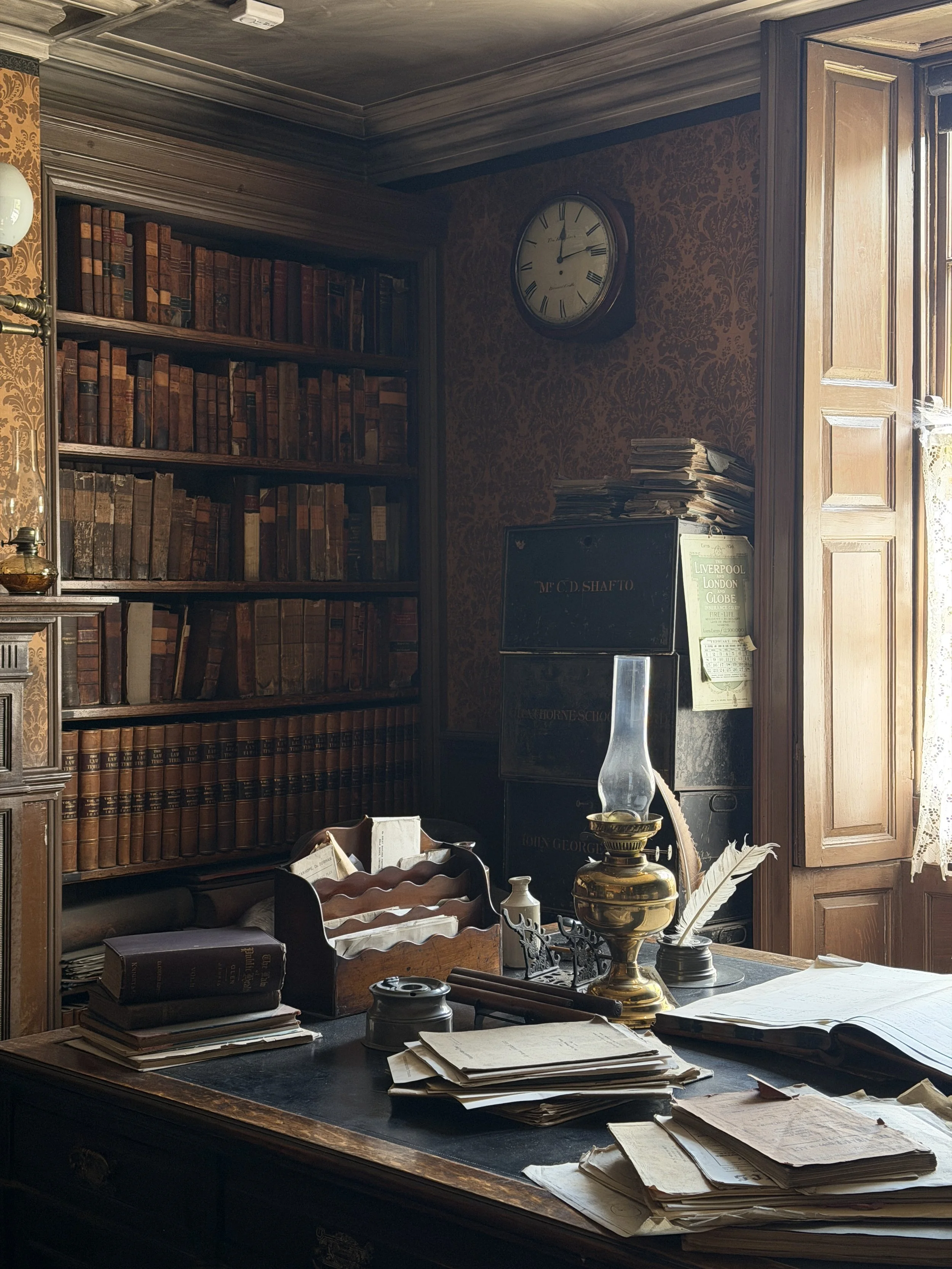
Beamish takes you through different eras of everyday life, from 1820s Pockerley to the 1900s Town and Pit Village, the 1940s Farm and the 1950s Town. So you’re not just visiting one version of the past; you’re moving through different generations, streets, homes, shops, workplaces and ways of living.
As an adult, you notice the layers: the buildings, the voices, the vehicles, the shopfronts, the sense that every area has been carefully brought back to life.
Because Beamish isn’t just nostalgic. It’s clever. Beautifully done. Full of stories. Full of tiny, strange, brilliant moments that make you realise you’re not just looking at the past, you’re walking through it.
Stepping into the details
What I love most about Beamish is how quickly you get pulled into the detail of it.
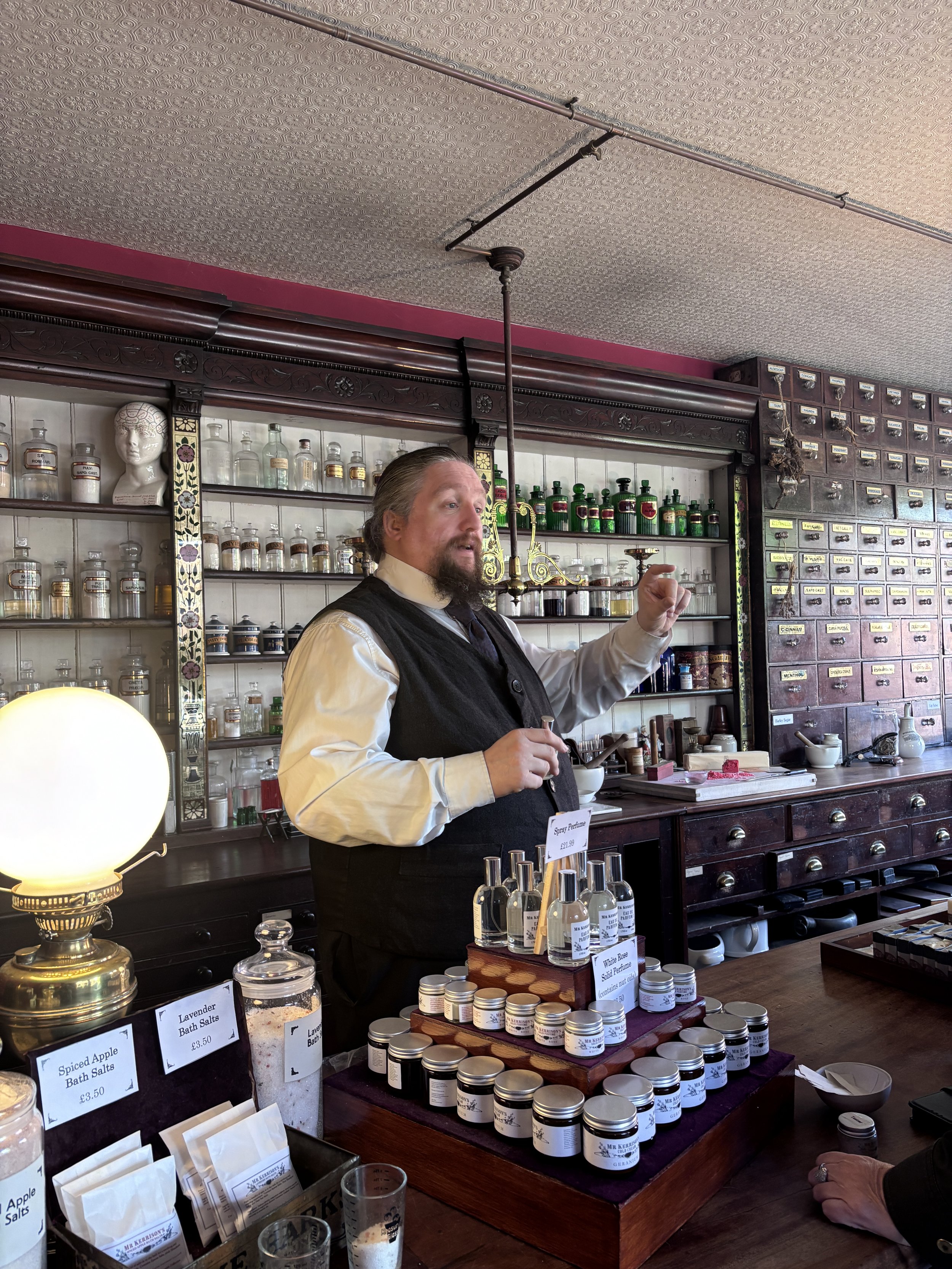
Everywhere you go, there are people bringing the spaces to life: shopkeepers behind counters, people working in kitchens, chatting by fires, answering questions as if you’ve just wandered into their day. They don’t just explain things; they tell stories. You find yourself listening in doorways, asking questions, watching how they move around the space, and suddenly imagining what it might have felt like to be there.
I love noticing what everyone is wearing, too. The aprons, hats, collars, coats, dresses, workwear and shoes all help each area feel rooted in its own era. Nothing feels fancy-dress or overdone. It’s practical, detailed and quietly brilliant.
That’s what makes Beamish so absorbing. You’re not just looking at rooms and buildings; you’re watching everyday life being pieced back together. Some parts feel familiar, some feel far away, and somewhere between the two, you start imagining yourself there.
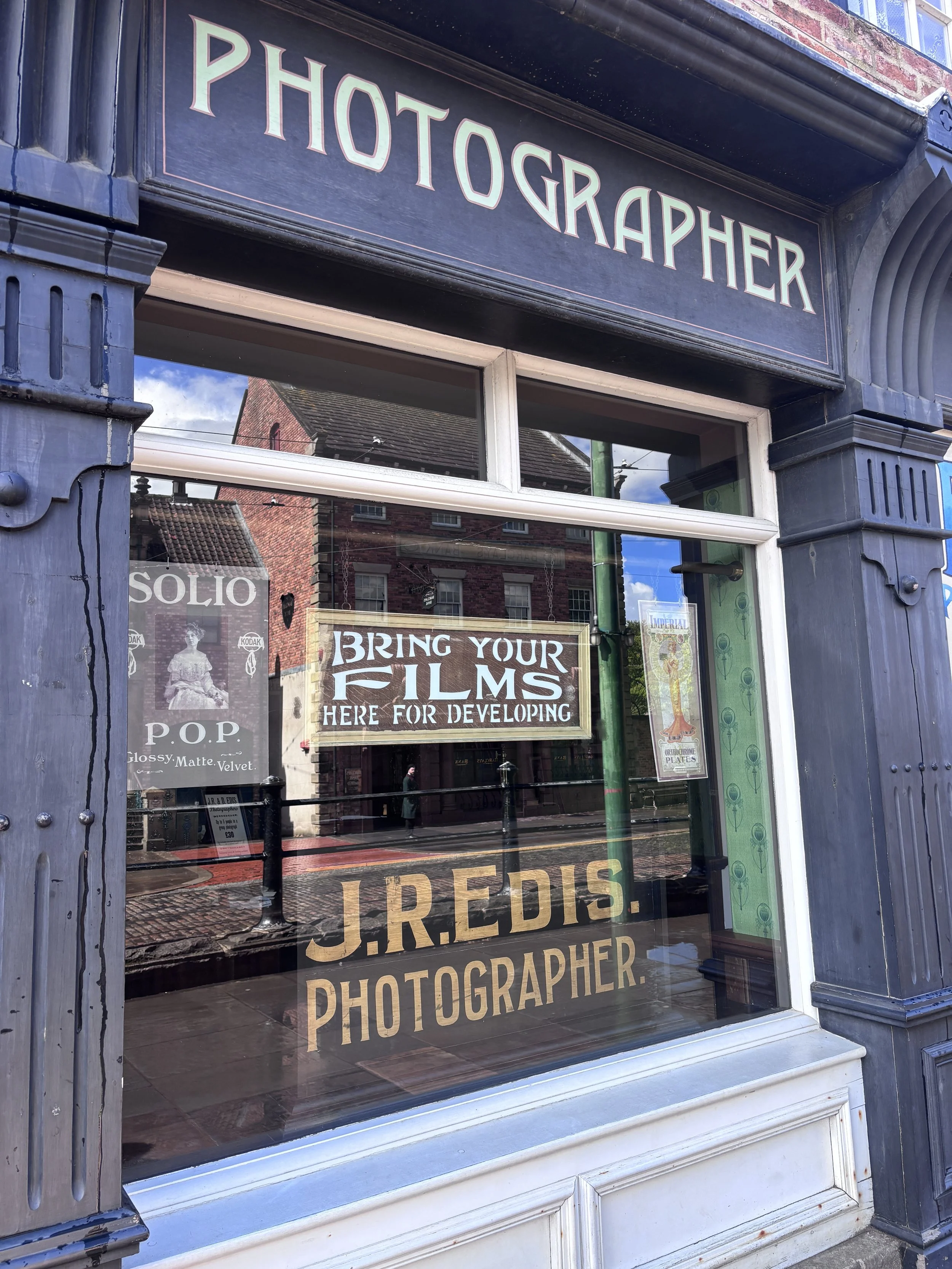
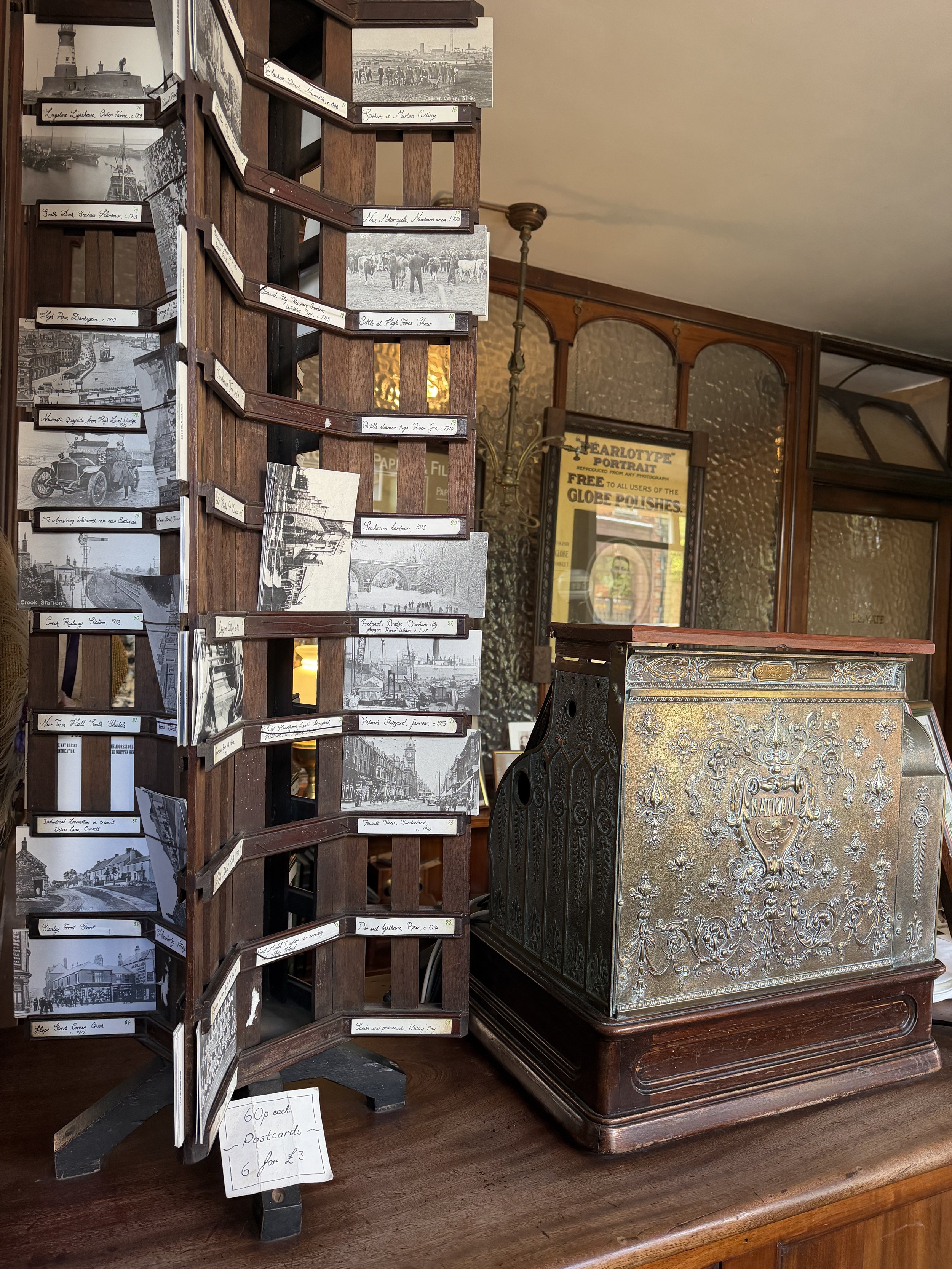
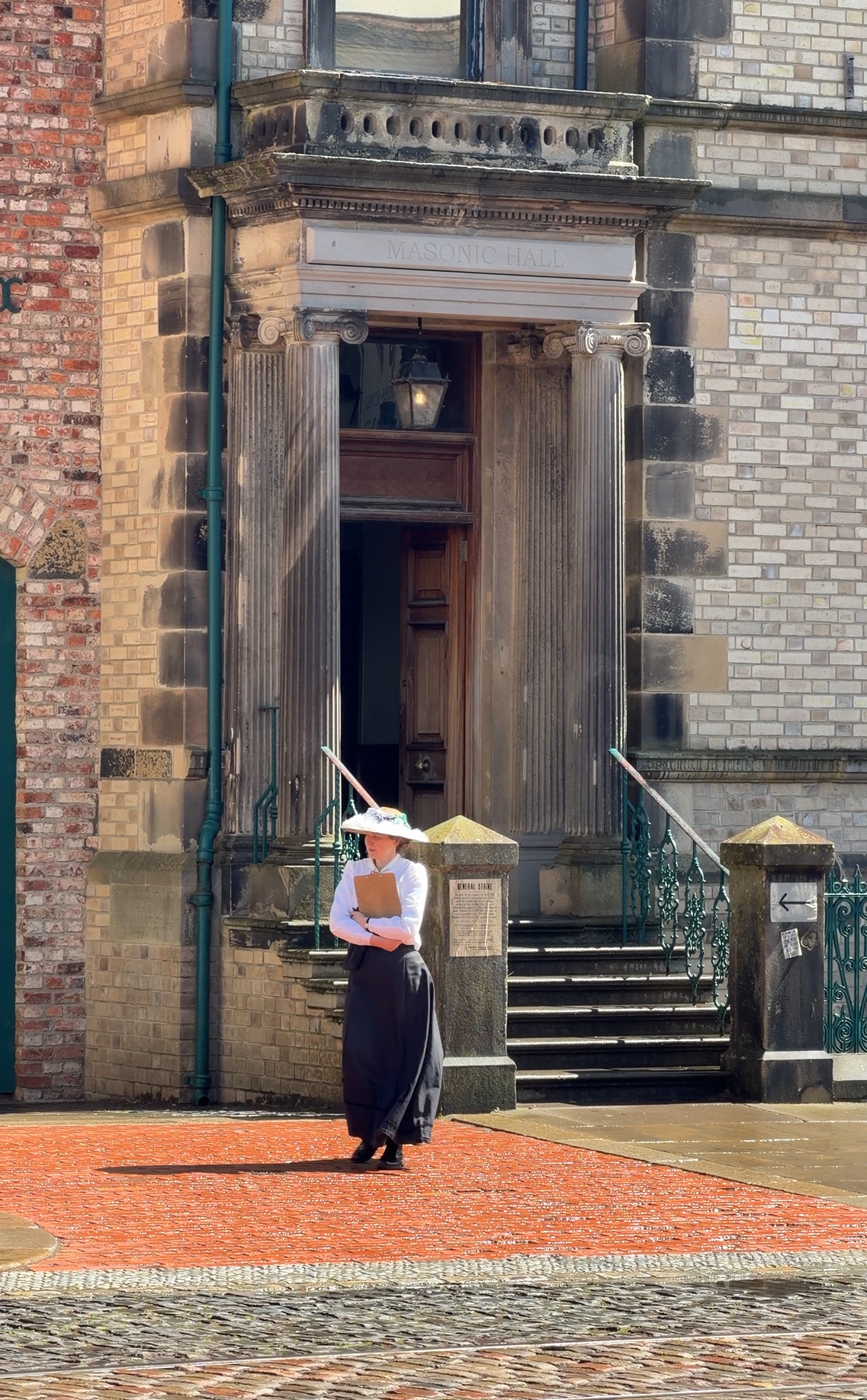
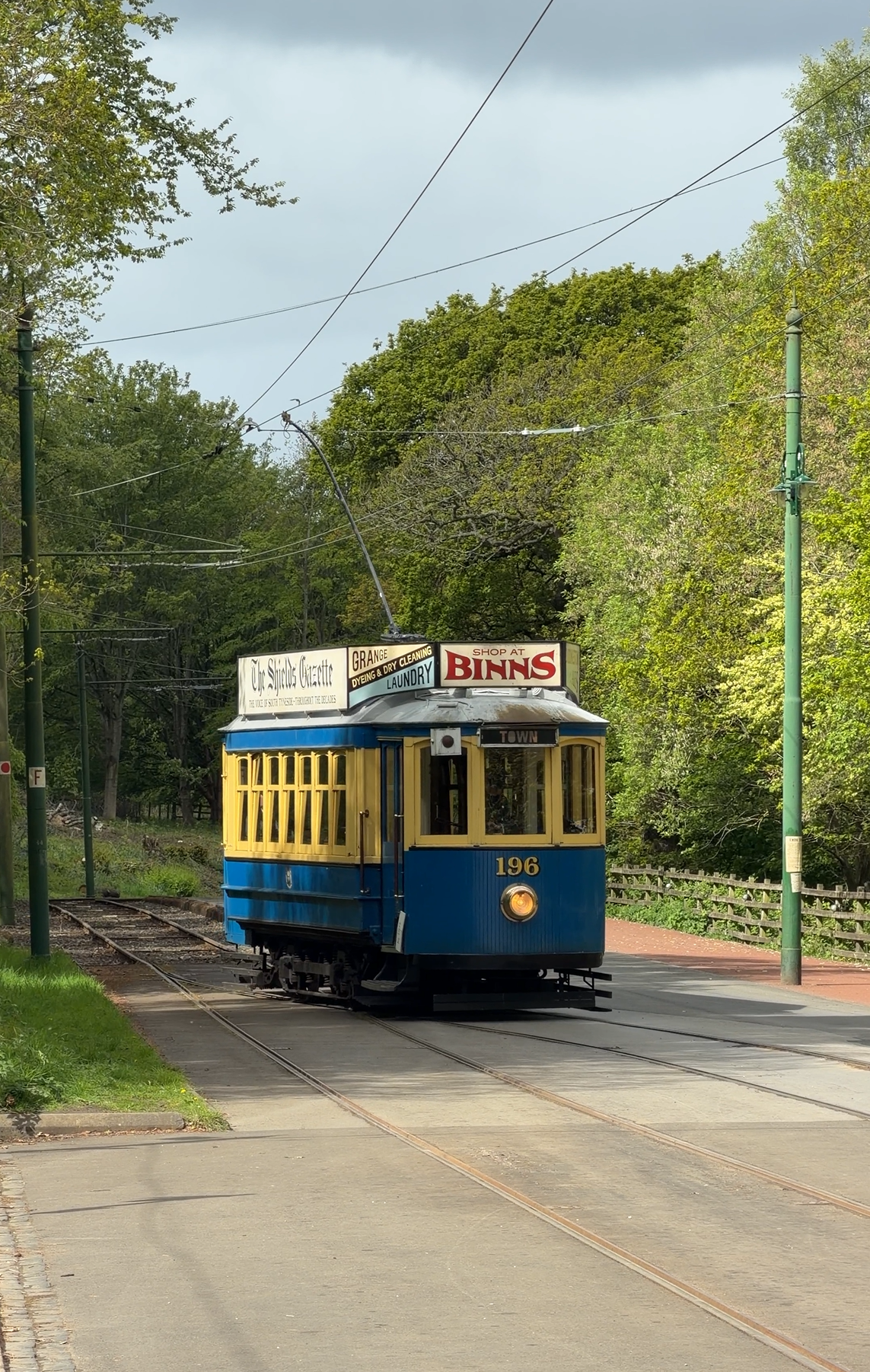
Trams, buses and a proper wander
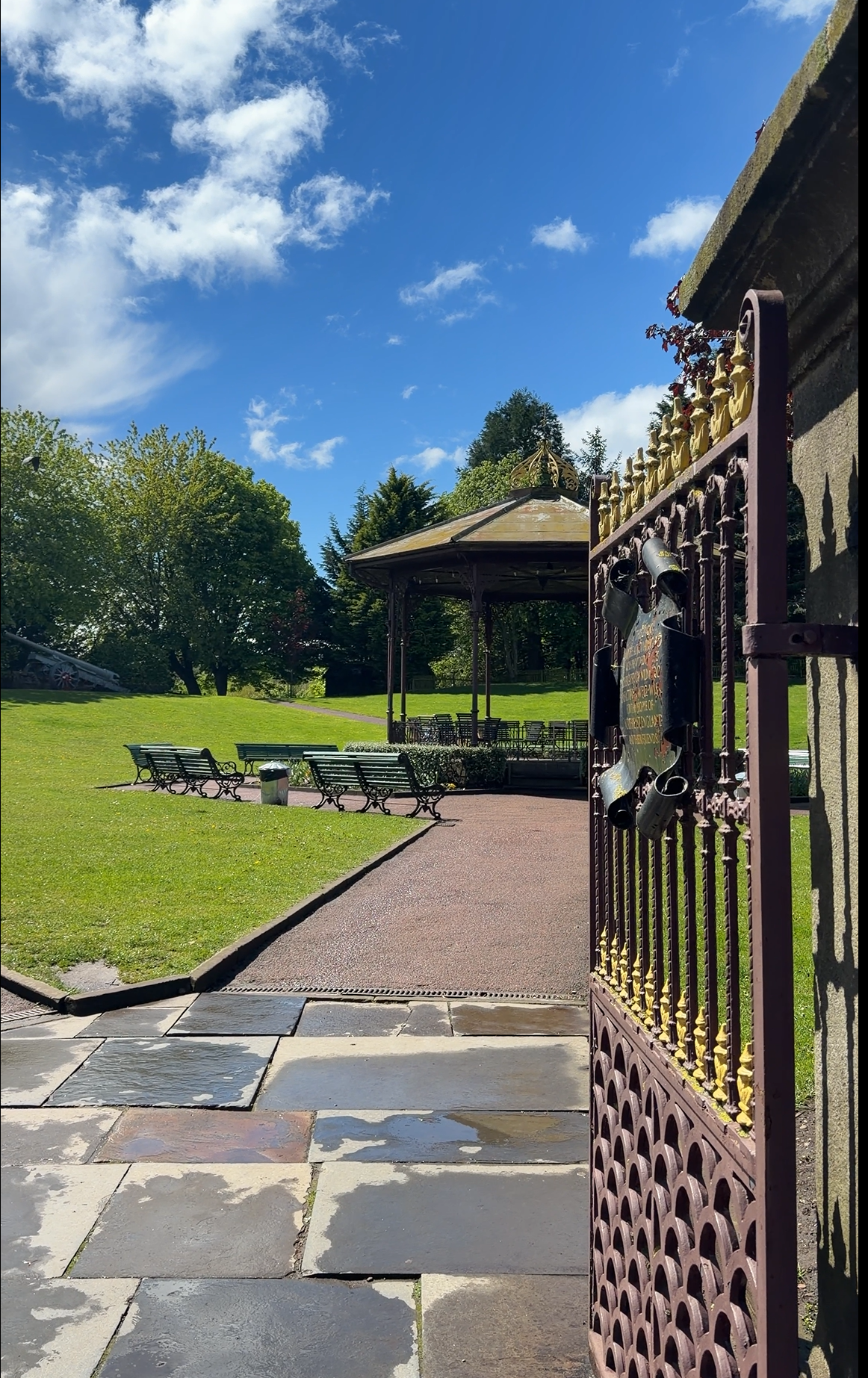
Beamish is open air, so there’s plenty of space to walk, wander and let the day unfold a bit. It isn’t the sort of place that needs to be marched around with a strict plan. In fact, it’s much better when you drift.
Follow the tram bell. Follow a doorway. Follow the sound of someone telling a story. Follow whatever street looks interesting next.
The trams and buses are part of the magic, too. They’re not just there to move you around. They help set the whole scene. There’s something wonderful about climbing aboard, hearing the sounds, watching the streets pass by and feeling, just for a moment, as if you’ve slipped into a different time.
For dog owners, Beamish is dog-friendly to an extent. Because it’s open air, there’s plenty of space to wander together, and dogs can enjoy a good mooch around the outdoor areas. Some indoor spaces have restrictions, so you may need to do a bit of teamwork: one person goes in, one person waits outside with the dog, then you swap. Very manageable.
Your dog may not fully appreciate the historical significance of the day, but they will probably enjoy the smells, the walking, and the important job of looking mildly confused beside a 1900s street scene.
The sweet shop, the dentist and other important matters
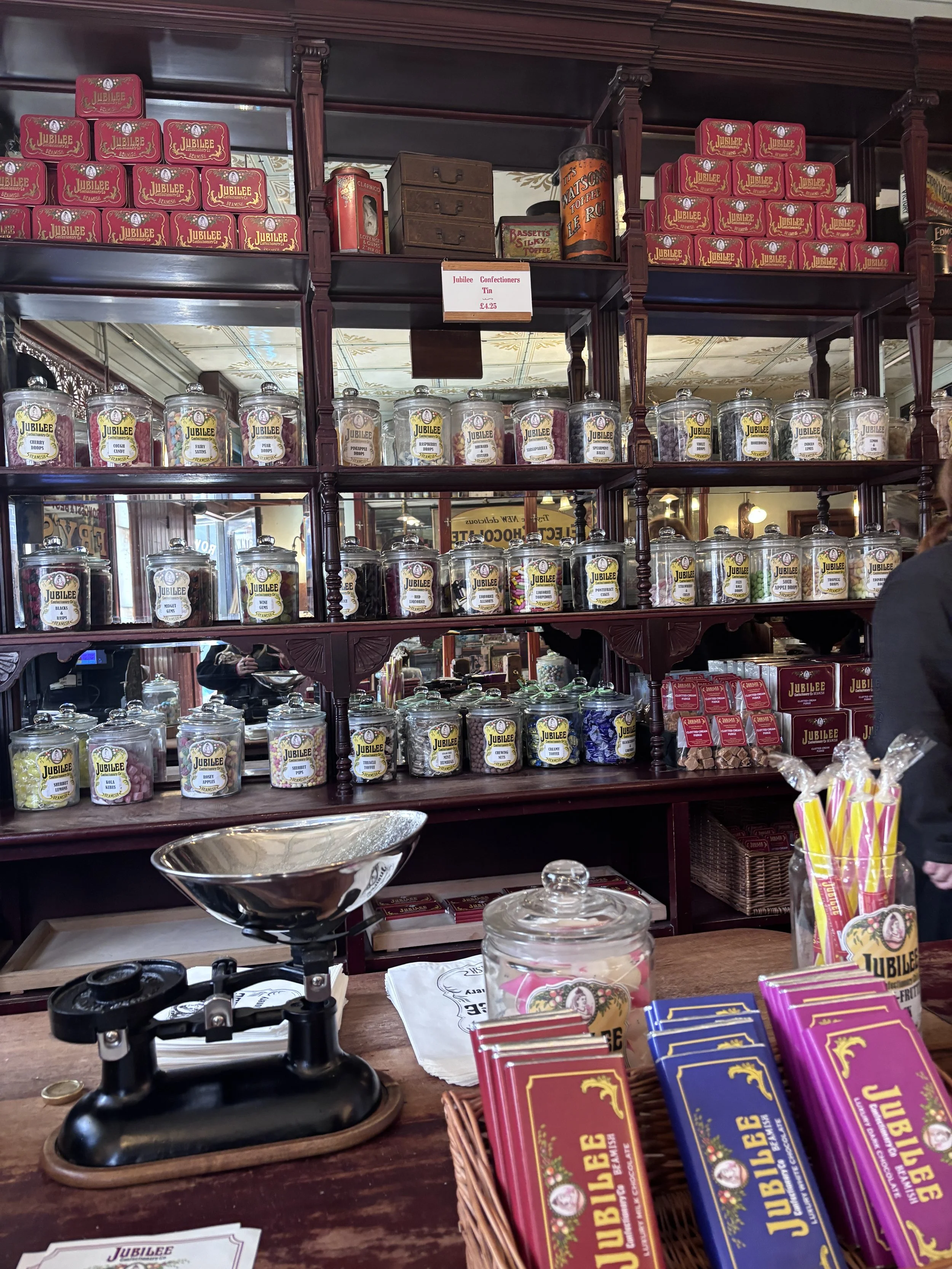
Eventually, of course, there’s the sweet shop.
On my last visit, I went for strawberry bonbons, which are always a good idea until about seven bonbons in, when you remember that they are essentially tiny pink jaw workouts.
Still worth it.
The only slight issue is that Beamish also gives you a glimpse of dentistry from another era, which does add a certain moral tension to the sweet shop experience. One minute you’re happily choosing sweets, the next you’re imagining a man with alarming tools and no soothing playlist.
It does make you grateful for modern dentistry.
And possibly slightly more restrained with the bonbons.
Slightly.
There are other lovely stops too: a drink in the pub, proper fish and chips, little shops and places where you pop in for two minutes and somehow stay much longer.
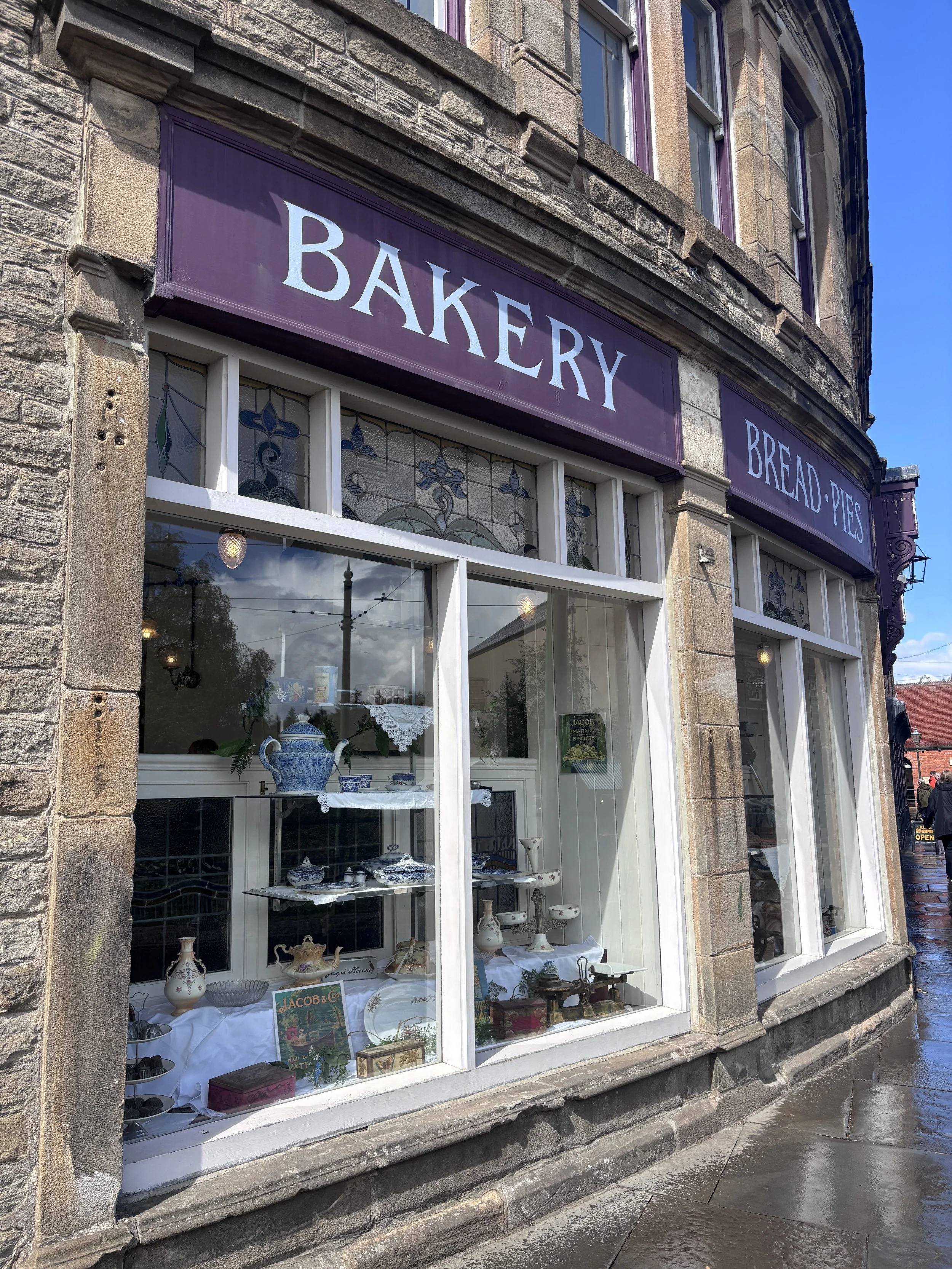
And the bakery. Because who doesn’t love the smell of freshly baked bread from old ovens? It’s one of those smells that pulls you in before you’ve even decided you’re hungry.
One visit is never quite enough
What I loved most about going back to Beamish was realising how much more I appreciated it now. As a child, it was exciting because it was different. As an adult, it’s fascinating because you understand more of what you’re seeing. You notice the effort. The authenticity. The research. The care. The way the North East’s past has been pieced together not as something dusty and distant, but as something full of people, humour, work, hardship, routine, invention and everyday life.
It’s nostalgic, but not sentimental.
Educational, but not heavy.
Beautifully detailed, but never boring.
And very good at reminding you that history isn’t just kings, queens and big dates. Sometimes it’s a kitchen table. A tram ticket. A bag of sweets. A coal fire. A shop counter. A conversation with someone who knows exactly how much butter would have cost and why that mattered.
Beamish is one of those places you think you know because you went there as a child. Then you go back as an adult and realise it had much more to say all along.
And possibly one last strawberry bonbon for the journey home.